Deposit Controls Provided in Cash or Crash Live for Canadian Players

As you play live game shows, you understand that loss limits are a big deal for maintaining the excitement and your finances in check https://cashorcrash.ca/. Cash or Crash Live is a perfect example. A round can soar or crash in seconds, and those multipliers climb in a way that gets your heart pumping. Having a solid strategy for your losses isn’t just sensible; it’s vital. For Canadian players, understanding these tools and the thinking behind them changes the game. It ceases to be a simple bet and becomes like a night out where you’re calling the shots. Let’s explore what loss limits are, where to find them, and how to use them for this specific live casino game. You’ll walk away ready to play with more assurance and a lot more control.
Understanding the Notion of a Drawdown Limit
A loss limit is merely a technical phrase for a simple idea: it’s the quantity of funds you decide you can afford to lose before you begin the game. View it as a personal checkpoint. When you reach that number, your session is finished. In a game similar to Cash or Crash Live, where the inflatable can explode at any second, this cap is your best friend. It prevents you from attempting to recover what you’ve given up in a moment of frustration. I do not view it as a regulation that kills the fun. Instead, it’s the strategy that lets you have fun without concern. Define this threshold before the round begins, and you can enjoy without limits. You’ve already taken the prudent option, so you can focus on the actual gameplay.
The Critical Role of Session Budgeting
Session budgeting is where your loss limit meets the felt. For Cash or Crash Live, I recommend the “unit” system. Take your session loss limit and split it into at least twenty small, equal pieces. If your session limit is $20, then one unit is $1. This approach does something important. It enables you endure the game’s natural ups and downs without blowing your entire stack on three unlucky rounds in a row. You start to see each bet as one piece of a larger plan, not a frantic hope to get back to even. Sticking to your unit size keeps you at the table longer. You have more time to enjoy the host’s banter and the tension of the rising multiplier. More rounds mean more chances, statistically, to catch a good ride before the inevitable crash.

Are there Built-In Loss Caps Offered by the Game?
We’ll be clear. The Cash or Crash Live game itself, the live version you watch from the studio, doesn’t have a loss limit button. Evolution built the game to be a thrilling live broadcast, with all the focus on the betting grid and that climbing multiplier. The game software won’t stop you if you’re having a bad run. That’s up to you. This is typical of live casino games; they’re about entertainment, not financial management. But the platform where you gamble, the virtual casino, is a different story. There you’ll find the true tools. The features that allow you to configure a strict loss cap reside in your casino account preferences, not in the game window. We’ll get to those next.
How to Establish Your Own Individual Spending Cap
Before you use the casino’s tools, your own discipline is crucial. I recommend a simple three-step method. First, look at your financial plan for the month. Determine what’s left over for fun once you’ve covered rent, groceries, and savings. Do not allocate money earmarked for essentials. Step two, take a limited part of that fun money and label it your game bankroll for the month. This is your maximum loss limit. Step three, divide that monthly number into even finer chunks for each time you play. Say your monthly limit is $100. You could set that each individual session of Cash or Crash Live gets a $20 cap. Place that $20 on a sticky note. Attach it to your display. Consider it like a real promise to yourself. Practicing this builds a muscle of self-awareness that digital tools can’t replace.
Gambling Control Features at Casino Level
Your gaming account is where you exercise real authority. Online casinos licensed for players from Canada must provide responsible gaming features. You’ll discover these in your profile settings, usually under a tab called “Safe Gambling,” “Play Management,” or something similar. This is the command center. Here you can establish limits for your deposited money, your spending, your wagers, and even the time you spend gaming. A loss restriction here is a critical matter. You can establish it for a 24-hour period, a weekly period, or a monthly cycle. Once you spend that limit, the gaming platform’s system will block you from further real-money play for the duration of that cycle. My recommendation? Log in and locate this section as soon as you register. Configuring these limits is the first step toward a playing pattern that persists and continues to be entertaining.
How Loss Limits Are Vital in a Unpredictable Game
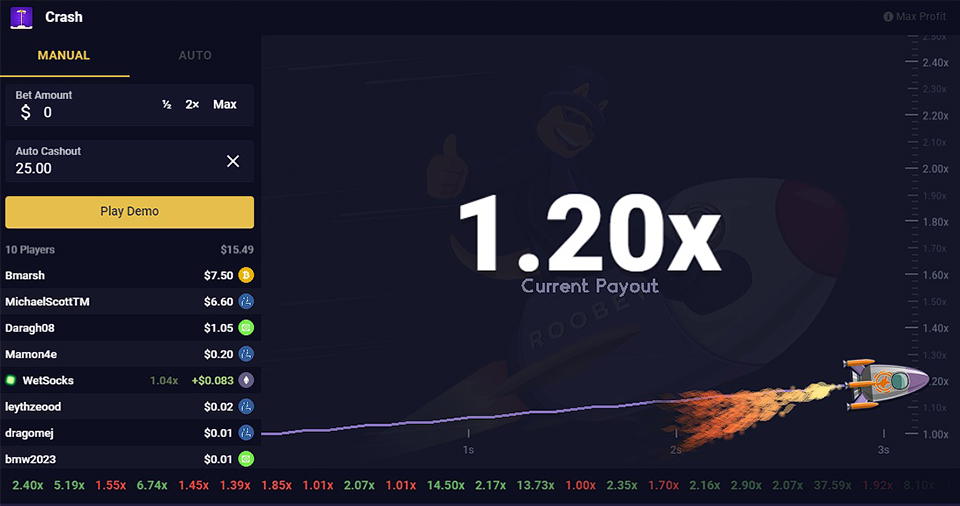
This game embodies volatility in a nutshell. The multiplier ticks up, fostering hope with every second, but the sudden stop is a random event that ignores your luck. This is what makes the game so captivating, and also how it can wipe out a bankroll in minutes if you’re not careful. If you skip a loss limit, the temptation is brutal. After a few quick crashes, the desire to bet bigger to win it all back becomes a powerful, dangerous urge. A pre-set limit disrupts that emotional wiring. It’s an objective signal that you’re done, full stop. It protects you from the clouded judgement that leads people to their biggest losses. In this specific game, a loss limit isn’t a casual tip. It’s a core part of playing wisely.
FAQ
What precisely is a loss limit in online gaming?
A loss limit is the maximum amount you determine you can afford to lose. You establish it for a session, a day, or a month before you start playing. It’s a monetary limit that helps you keep your cool and avoid the trap of trying to recover losses. The goal is to maintain gaming as fun, not a financial danger.
Is it possible to set a loss limit directly inside the Cash or Crash Live game?
No. The Cash or Crash Live game window, where you view the live host and put your stakes, doesn’t have this feature. You need to use the responsible gaming tools supplied by the online casino website where you have your account. This is where you can set limits that the casino’s platform will apply.
Where do I find the loss limit tools at an online casino?
Go to your account dashboard. There’s usually a section labelled “Responsible Gaming,” “Play Management,” or “Account Limits.” These pages are distinct from the games. They enable you to configure limits for how much you can deposit, lose, or wager over certain periods, and the casino software will then systematically impose them.
How should I calculate a sensible loss limit for myself?
Start with your spare cash, the money left after bills and savings. Select a small portion for leisure, including casino games. That’s your total limit. Next, split it into smaller portions per session. A sound principle is to only gamble with money you can afford to lose without affecting your daily life.
What is the result if I meet the loss limit set by the casino?
The casino automatically activates the limit. After reaching your limit, you are typically prevented from making further real-money wagers for the duration. If it’s a daily limit, you’re done for the day. This mandatory pause is an essential tool to keep you on track.
Do loss limits differ from deposit limits?
They are connected but distinct. A deposit limit sets a maximum on funds you can add to your casino account. A loss limit caps how much of your account balance you can lose while playing. Using both together is a strong approach. One controls the fuel going in, the other controls the burn rate.
Can I adjust or delete my loss limit after it has been established?
The answer depends on the casino, but reliable sites have safety measures. When you wish to raise or remove a limit, a cooldown period of 24 hours or a week is usually required. This prevents you from making a hasty choice during a frustrating gaming session. Reducing your limit is typically immediate. The system forces you to reconsider, shielding you from your own impulses.
Lascia un commento